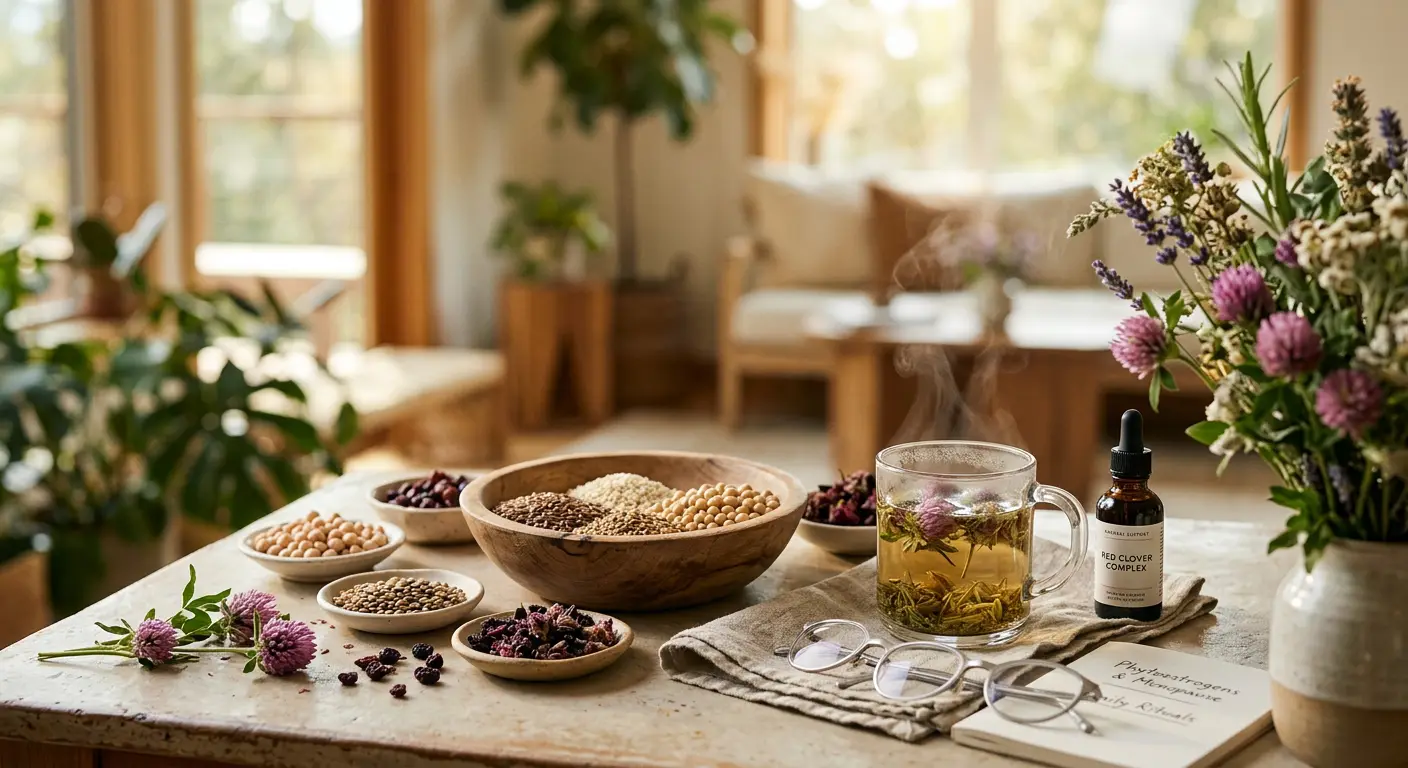
Phytoestrogens & Menopause: Your Guide to Natural Hormonal Support
The hormonal shifts of menopause can feel like an earthquake, leaving many of us searching for solid ground. While medical interventions like Hormone Replacement Therapy (HRT) are highly effective for some, others seek complementary strategies to navigate symptoms like hot flashes, mood swings, and sleep disturbances. This is where phytoestrogens enter the conversation – plant compounds that mimic estrogen's effects in the body, offering a potential pathway to natural hormonal support.
But what exactly are phytoestrogens, and how do they work? More importantly, which foods should be on your personal phytoestrogens foods list for menopause? Let's dive deep into the science, separating fact from fiction, and empowering you with practical food-based strategies.
What are Phytoestrogens and How Do They Impact Menopause?
Phytoestrogens are a diverse group of naturally occurring compounds found in plants. Their molecular structure is similar enough to our body's own estrogen that they can bind to estrogen receptors, albeit with a weaker effect. Think of it like a dimmer switch: while your own estrogen, when abundant, turns the light on brightly, phytoestrogens might just give a gentle glow.
During menopause, our natural estrogen production declines significantly. This drop is the primary driver of many menopausal symptoms. Phytoestrogens, by providing a mild estrogenic effect, may help to temper some of these symptoms. They are not a replacement for estrogen, but rather modulators that can offer a subtle balancing act.
The Science Behind Phytoestrogens: Estrogen Receptor Modulation
There are two main types of estrogen receptors in the body: Alpha (ERα) and Beta (ERβ). ERα receptors are more prevalent in tissues like the uterus and breast, while ERβ receptors are found abundantly in the brain, bone, and cardiovascular system. Phytoestrogens tend to have a stronger affinity for ERβ receptors. This selective binding is key, as it suggests they might offer benefits in target tissues without over-stimulating others. Reviews of dietary approaches to estrogen in aging women put the useful isoflavone range at roughly 50 to 80 mg a day, the level at which symptom benefits show up in trials (Bolgova et al., 2025).
This nuanced interaction is what makes them so interesting for menopause. Instead of a direct flood of estrogen, you get a more subtle, often regulatory, effect. It’s about gently nudging the system, not overriding it. If you're curious about the broader biological picture, you can explore What Really Happens in Menopause? The Biology Explained Simply.
Which foods contain isoflavones, lignans and other phytoestrogens?
When building your phytoestrogens foods list for menopause, it's helpful to understand the main categories of these compounds. Each has unique characteristics and sources.
1. Isoflavones: The Soy Story
Isoflavones are perhaps the most well-known type of phytoestrogen, primarily found in legumes, especially soybeans and soy products. The main isoflavones are genistein, daidzein, and glycitein.
- Sources:
- Soybeans: Edamame, tempeh, tofu, miso, soy milk, soy nuts.
- Lentils & Chickpeas: While lower than soy, they contain some isoflavones.
The Soy Debate: For years, soy has been a subject of debate, particularly regarding breast health. Current research mostly indicates that moderate consumption of whole, unprocessed soy foods is not only safe but potentially beneficial for most women, including those with a history of breast cancer. A meta-analysis of cohort studies found soy isoflavone intake after a breast cancer diagnosis was associated with lower recurrence and lower mortality, not higher (Qiu and Jiang, 2018), and a 2022 review of the evidence reached the same conclusion on safety (Mauny et al., 2022). The key is whole soy foods, not highly processed soy isolates often found in protein bars or shakes. As covered in Estrogen Left the Chat, one of the best menopause books for weight loss, understanding the nuances of phytoestrogens is crucial for informed dietary choices.
2. Lignans: Fiber-Rich Powerhouses
Lignans are another significant class of phytoestrogens, widely distributed in fiber-rich plant foods. They are converted into active compounds (enterolactone and enterodiol) by gut bacteria, emphasizing the importance of a healthy microbiome for their efficacy. In a human flaxseed lignan trial, how much enterolactone a person produced depended on which bacteria their gut carried (Lampe et al., 2019).
- Sources:
- Flaxseeds: The richest source, offering exceptional amounts.
- Sesame seeds: Another good source.
- Whole Grains: Rye, oats, barley, wheat.
- Fruits: Berries, apricots, pears.
- Vegetables: Broccoli, cauliflower, cabbage.
Adding ground flaxseeds to your daily routine (smoothies, yogurt, oatmeal) is an excellent way to boost your lignan intake.
3. Coumestans: Sprouts and Legumes
Coumestans are found in smaller quantities in various plants, with alfalfa and clover sprouts being notable sources.
- Sources:
- Alfalfa sprouts
- Clover sprouts
- Split peas, pinto beans
4. Stilbenes: Resveratrol and Beyond
While resveratrol is often lauded for its antioxidant properties, it also functions as a phytoestrogen.
- Sources:
- Red grapes (especially skin)
- Red wine
- Peanuts, pistachios
- Berries (blueberries, cranberries)
5. Prenylflavonoids: Hops and Beer
Less commonly consumed for their phytoestrogen content, prenylflavonoids are found in hops.
- Sources:
- Hops (commonly used in beer brewing)
- Some lesser-known herbs
How do I fit phytoestrogen foods into a normal day?
Here's a curated list of foods rich in phytoestrogens, perfect for incorporating into your daily diet to support menopausal health. Remember, variety is key!
- Legumes:
- Soybeans & Soy Products: Tofu (firm, soft), tempeh, edamame (steamed or shelled), miso, unsweetened soy milk. Aim for 1-2 servings daily.
- Lentils, Chickpeas, Kidney Beans, Black Beans: Great in soups, stews, salads, or as hummus.
- Seeds:
- Flaxseeds: Ground flaxseeds are crucial for absorption. Add 1-2 tablespoons to smoothies, oatmeal, yogurt, or baked goods.
- Sesame Seeds: Sprinkle on salads, stir-fries, or use in tahini.
- Whole Grains:
- Oats, Barley, Rye: Opt for whole-grain versions of bread, pasta, and cereals. Oatmeal for breakfast is a fantastic choice.
- Fruits & Vegetables:
- Berries: Blueberries, strawberries, raspberries.
- Apples, Pears, Grapes: Especially with the skin.
- Cruciferous Vegetables: Broccoli, cauliflower, Brussels sprouts, cabbage. These also support liver detoxification of hormones.
Sample Daily Plan for Phytoestrogen Integration:
- Breakfast: Oatmeal with ground flaxseeds and berries, or soy yogurt with nuts.
- Lunch: Large salad with chickpeas/lentils and a sprinkle of sesame seeds, or a tofu scramble.
- Snack: Edamame, handful of nuts, or apple slices with nut butter.
- Dinner: Stir-fry with tempeh and a variety of vegetables, or a lentil soup with whole-grain bread.
Beyond Phytoestrogens: A Holistic Approach
While integrating phytoestrogens can be a valuable part of your menopause management, it's rarely a standalone solution. A holistic approach that addresses nutrition, movement, stress, and sleep is most effective.
For instance, alongside increasing phytoestrogens, ensuring adequate protein intake is vital for maintaining muscle mass, which often declines in menopause. You can learn more about this in articles like Why Am I Gaining Weight in Menopause? The Real Reasons.
Additionally, healthy fats, particularly Omega-3s, play a crucial role in hormonal health and overall well-being. Read more about their benefits here: Omega-3 for Menopause: Beyond the Hype, The Real Benefits.
Building a comprehensive strategy involves:
- Balanced Nutrition: Focus on whole, unprocessed foods, ample protein, healthy fats, and diverse plant matter.
- Regular Movement: Incorporate strength training and cardiovascular exercise.
- Stress Management: Techniques like mindfulness, meditation, or spending time in nature are crucial.
- Quality Sleep: Prioritize sleep hygiene; it impacts everything from mood to weight.
For a deeper dive into optimizing your health during this time, many women find invaluable insights in a science-backed menopause guide like Estrogen Left the Chat. The book offers a comprehensive roadmap to understanding and navigating the challenges and opportunities of this life stage. Read the Book on Kindle for practical strategies.
Who should be cautious with phytoestrogen foods?
- Consistency is Key: The benefits of phytoestrogens are generally observed with consistent, long-term dietary intake, not sporadic consumption.
- Individual Response: Not everyone responds to phytoestrogens in the same way. Genetic factors influencing gut bacteria, for example, can affect how well these compounds are metabolized.
- Medical Conditions & Medications: If you have estrogen-sensitive conditions (e.g., certain types of breast cancer) or are on medications that interact with estrogen, consult your doctor or a registered dietitian before significantly increasing phytoestrogen intake. While dietary levels are generally considered safe, high-dose supplements might warrant more caution.
- Supplements vs. Food: While phytoestrogen supplements exist, obtaining these compounds from whole foods is generally preferred. Foods offer a synergy of nutrients (fiber, vitamins, minerals, antioxidants) that supplements often lack, and the lower, modulated doses from food sources are typically safer and better tolerated.
Empowering Your Menopause Journey with Food
Navigating menopause is about making informed choices that resonate with your body and lifestyle. Integrating a rich phytoestrogens foods list for menopause into your diet can be a gentle, natural way to support your hormonal balance and alleviate some symptoms. It's an act of self-care, choosing nutrient-dense foods that nourish and empower you.
Remember, your body is incredibly adaptable. By providing it with the right tools – wholesome foods, strategic movement, and mindful self-care – you can enhance your well-being during this transformative life stage. Stay curious, stay informed, and embrace the power of food to support your journey.
Follow us on Pinterest for more tips and recipes to support your hormonal health.
FAQ
### Can phytoestrogens replace HRT for menopause symptoms?
No, phytoestrogens are not a direct replacement for Hormone Replacement Therapy (HRT). HRT provides pharmaceutical-grade estrogen, which is much stronger and chemically identical to your body's own hormones. Phytoestrogens, being plant-derived, exert a much weaker and more modulatory effect. They may help alleviate mild to moderate symptoms for some women, but they are not as potent as HRT. It's best to discuss all options with your healthcare provider.
### How long does it take for phytoestrogens to work?
The effects of dietary phytoestrogens are generally subtle and accumulate over time. You're unlikely to notice immediate changes. Consistent daily intake over several weeks to months is typically needed before any potential benefits, such as reduced hot flashes or improved mood, might be observed. A 2025 meta-analysis of soy isoflavone trials in perimenopausal women found benefits for menopausal symptoms, but cautioned that the pooled sample was small and the findings should be read carefully (Luan et al., 2025). Individual responses vary greatly due to genetic factors and gut microbiome composition.
### Are there any risks with eating phytoestrogen-rich foods?
For most healthy women, consuming phytoestrogen-rich foods as part of a balanced diet is considered safe. Risks associated with naturally occurring phytoestrogens in food are minimal. However, if you have a history of estrogen-sensitive conditions (e.g., certain breast cancers), or are on medications that could interact, it's always wise to consult your doctor or a registered dietitian. The concern is usually with high-dose supplements, not typical dietary intake.
### What is the best source of phytoestrogens for menopause?
Soybeans and flaxseeds are among the richest and most well-researched sources of phytoestrogens. Soy products like tofu, tempeh, and edamame provide isoflavones, while ground flaxseeds are an excellent source of lignans. A varied diet that includes a range of legumes, whole grains, and diverse fruits and vegetables is the best approach to ensure a spectrum of these beneficial compounds.