Blog & Resources

    Science-backed articles on menopause, metabolism, and midlife wellness.

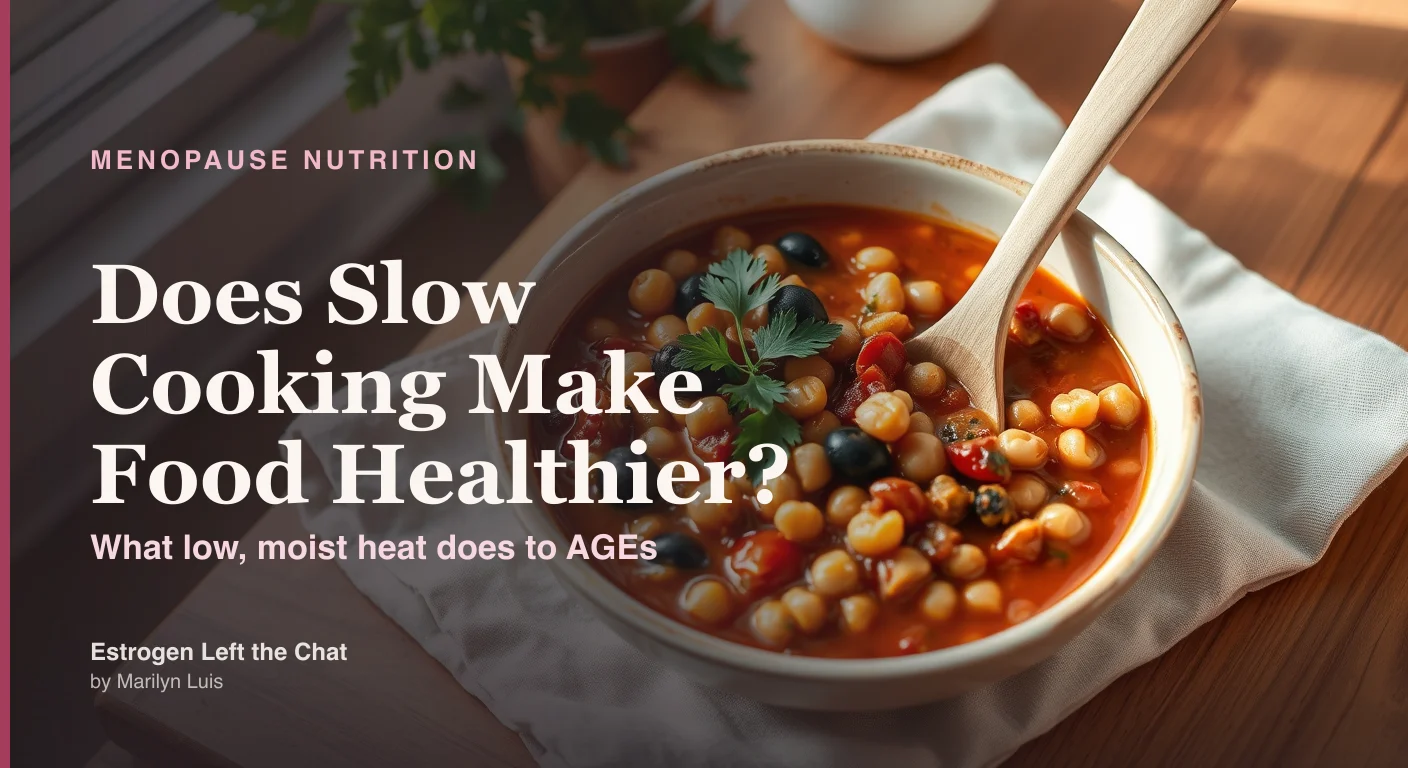
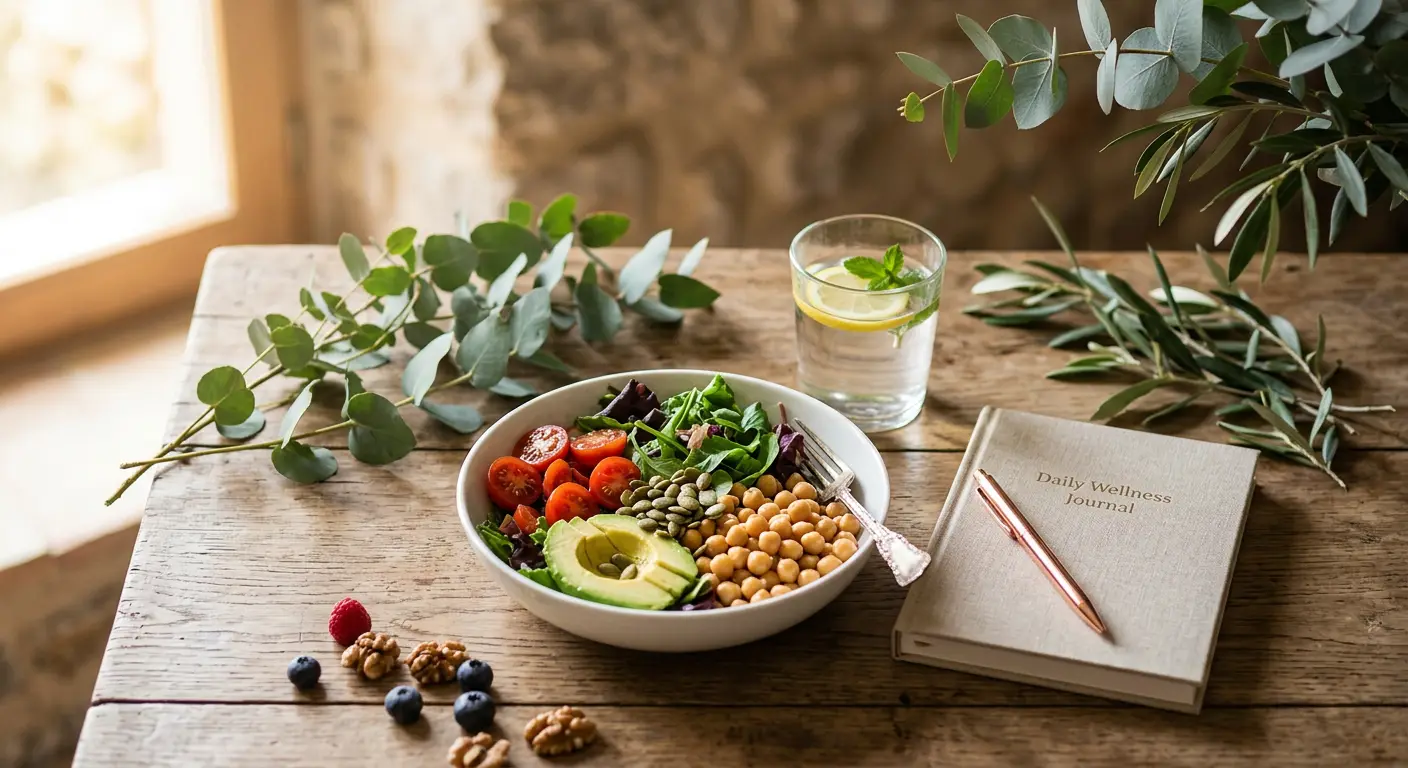
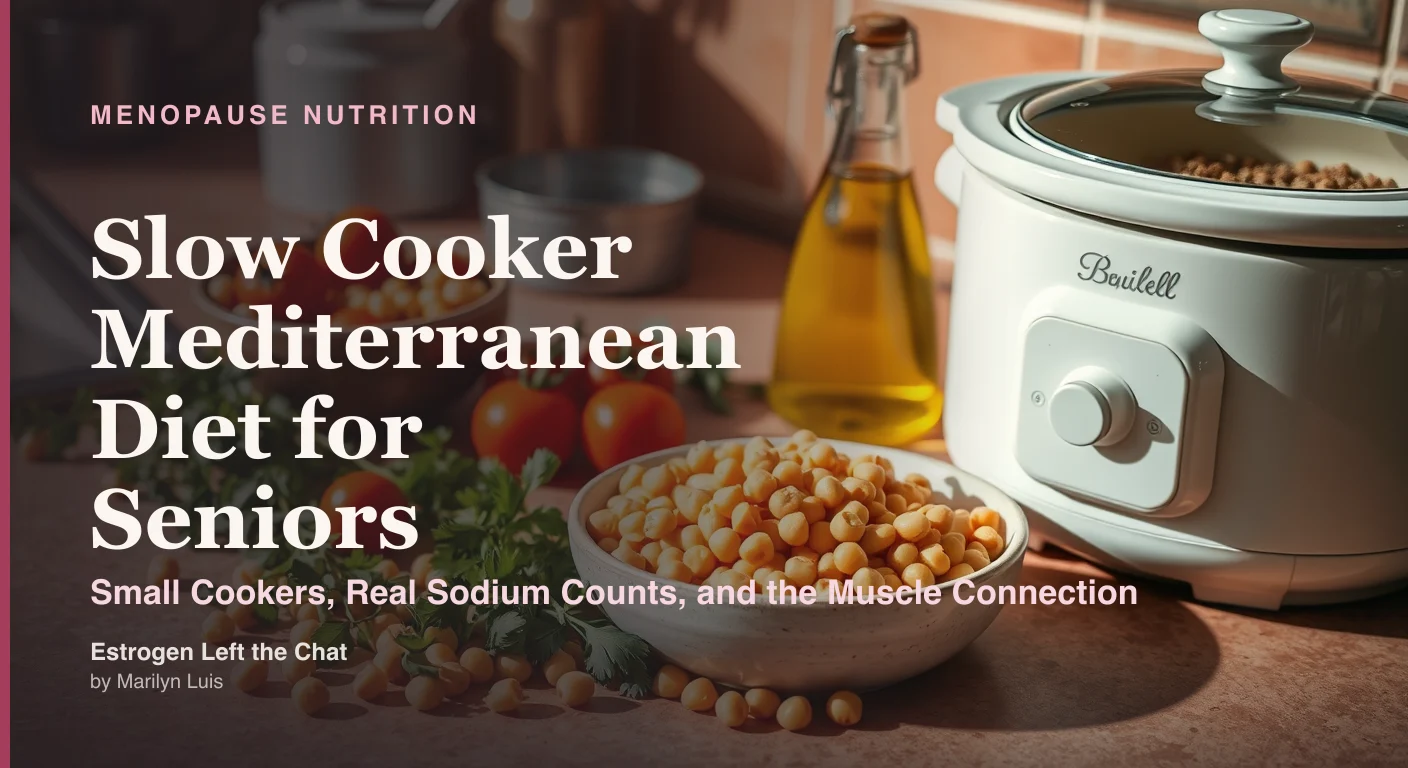
    Mediterranean slow cooker meal with chickpeas, tomatoes, and herbs in a small 2-quart bowl
    Menopause Nutrition8 min read

    Slow Cooker Mediterranean Diet for Seniors: Small Cookers, Real Sodium Counts, and the Muscle Connection

    A 1.5-quart slow cooker makes Mediterranean cooking genuinely practical for one or two people after 60. This article explains which cooker size fits two servings, why the Mediterranean diet is linked to roughly 40% lower sarcopenia risk in women over 50 according to a 2025 meta-analysis, how to keep sodium under 500 mg per serving, and includes two tested recipes from the book.

    Read More
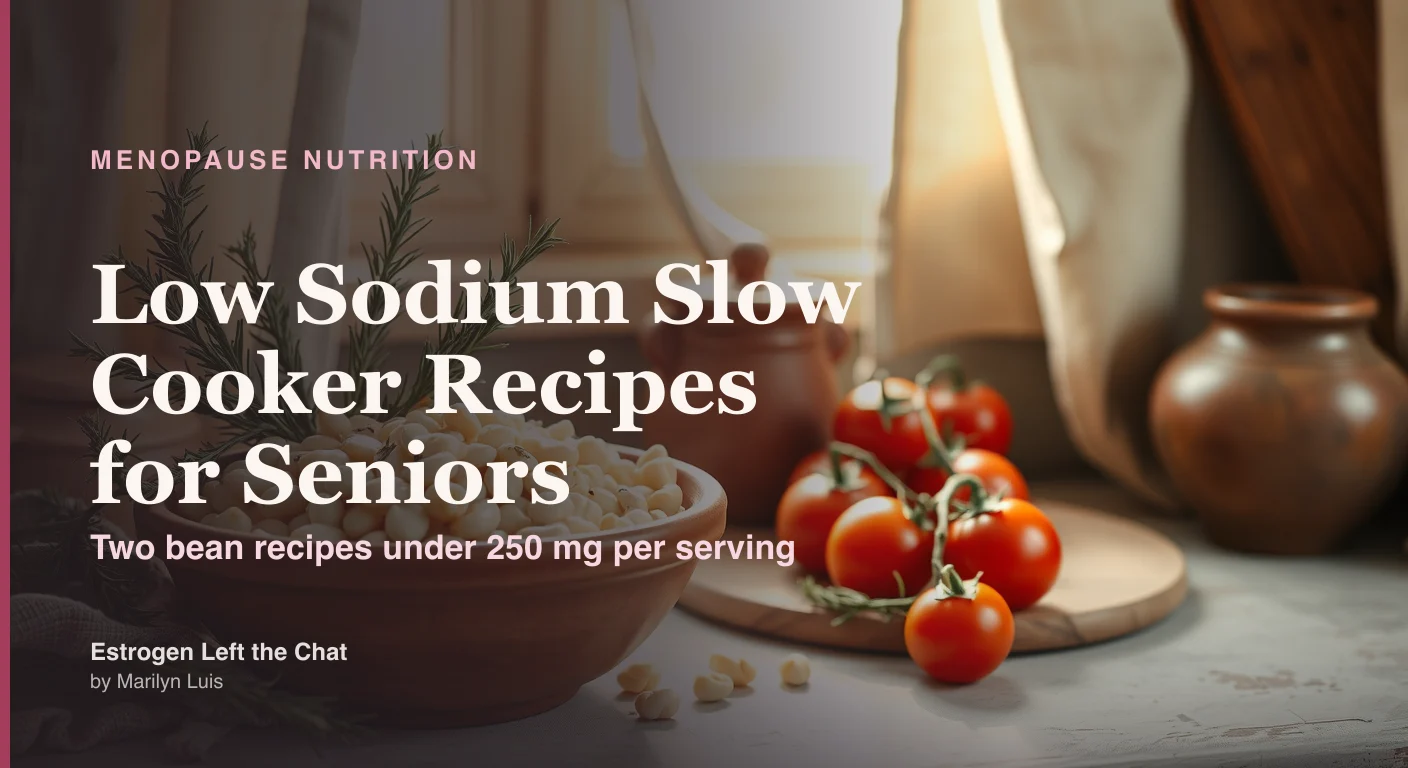
    White beans, rosemary, and tomatoes for a low-sodium Mediterranean slow cooker recipe
    Menopause Nutrition8 min read

    Low Sodium Slow Cooker Recipes for Seniors: Real Milligrams, Hidden Traps, and the Blood Pressure Connection

    Under 300 milligrams of sodium per serving is achievable in any slow cooker recipe when the broth, canned tomatoes, and cured meat are controlled at the source. Here is where the hidden sodium actually comes from, why blood pressure becomes more salt-sensitive after menopause, and two Mediterranean bean recipes from the book that stay under 250 mg per serving.

    Read More
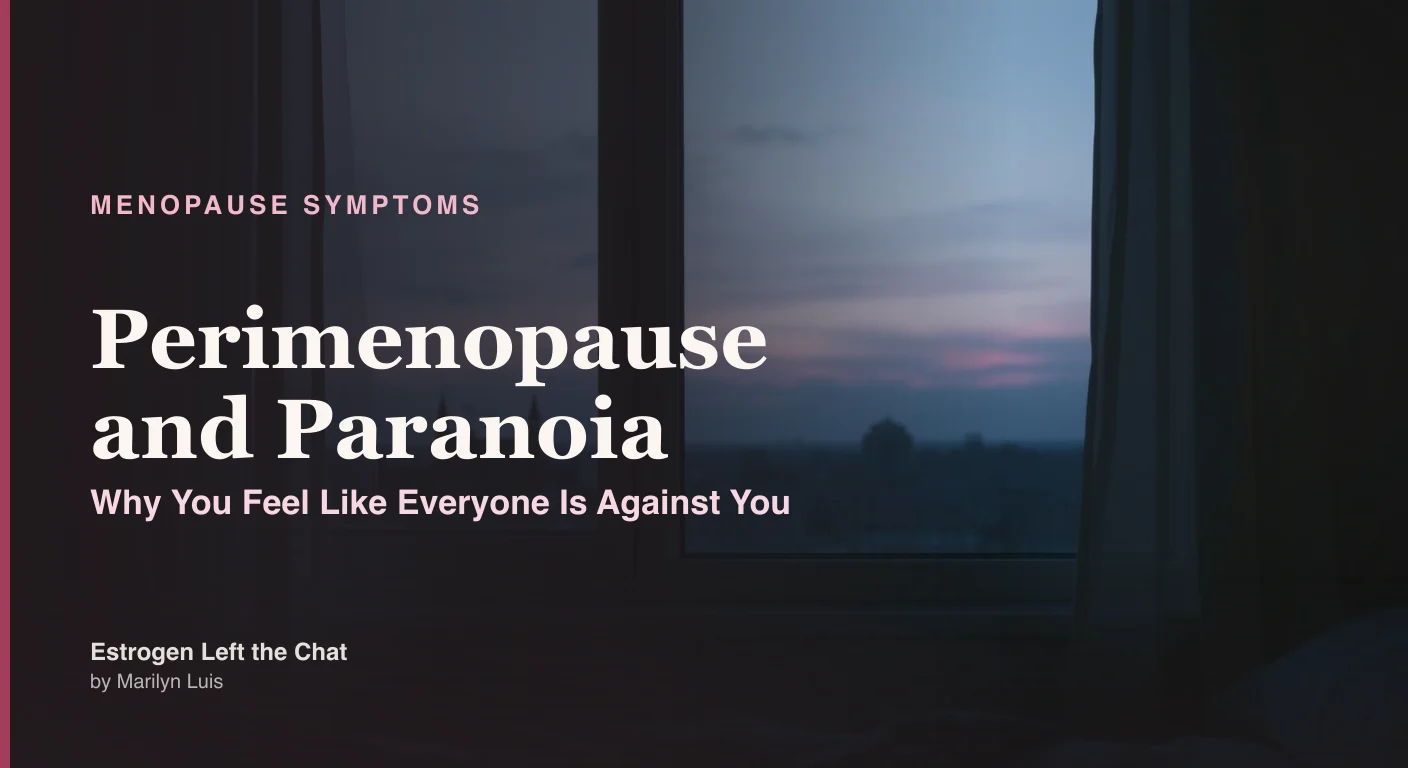
    Woman gazing pensively out a window, representing paranoid feelings during perimenopause
    Menopause Symptoms8

    Perimenopause and Paranoia: Why You Feel Like Everyone Is Against You (and What Is Actually Happening)

    Paranoia during perimenopause is real and has a biological explanation. As estrogen and progesterone decline, the brain's threat-detection circuits lose their chemical buffer, making everyday interactions feel loaded with suspicion. You are not going crazy. Your neurotransmitters are recalibrating under hormonal pressure - and that changes how your brain reads the room.

    Read More
    Woman in her 40s fanning herself in a cool room, looking flushed but composed, soft cream and berry tones, representing perimenopause heat sensitivity and hot flashes
    Menopause Symptoms7 min read

    Why Am I So Hot in Perimenopause? The Broken Thermostat Explained

    During perimenopause, estrogen's decline disrupts a specialized cluster of neurons in the hypothalamus called KNDy cells - your internal thermostat. When estrogen drops, these cells fire unchecked, collapsing the temperature range your body will tolerate before triggering a heat-dump response. That is why a one-degree rise in room temperature - or a sip of coffee - can send you from fine to boiling in seconds.

    Read More
    Woman in her 40s sitting at a kitchen table with a cup of ginger tea, hand resting gently on her stomach, natural morning light, calm editorial style

    Menopause Symptoms8 min read

    Perimenopause Can Cause Nausea: Why Your Stomach Feels Off (and What Is Actually Happening)

    Yes, perimenopause can cause nausea. The queasy, unsettled feeling that many women notice in their 40s is not imagined - it is a direct consequence of falling estrogen and erratic progesterone disrupting gut motility, altering the gut microbiome, and amplifying the body's stress response. Nausea is one of the most overlooked gastrointestinal symptoms of the menopausal transition.

    Read More