Menopause Nutrition

    Nutrition needs change through perimenopause and menopause in specific, mechanistic ways, not just in the vague sense that 'you should eat healthier' after 40. Protein requirements rise as muscle loss accelerates, insulin sensitivity changes what carbohydrate timing actually helps, and specific compounds like phytoestrogens interact with your hormones in ways worth understanding rather than fearing based on outdated claims. This collection covers evidence-based nutrition strategy for this life stage specifically, with real citations behind every recommendation and honest answers to the safety questions, like soy and breast cancer risk, that generic nutrition advice tends to avoid.

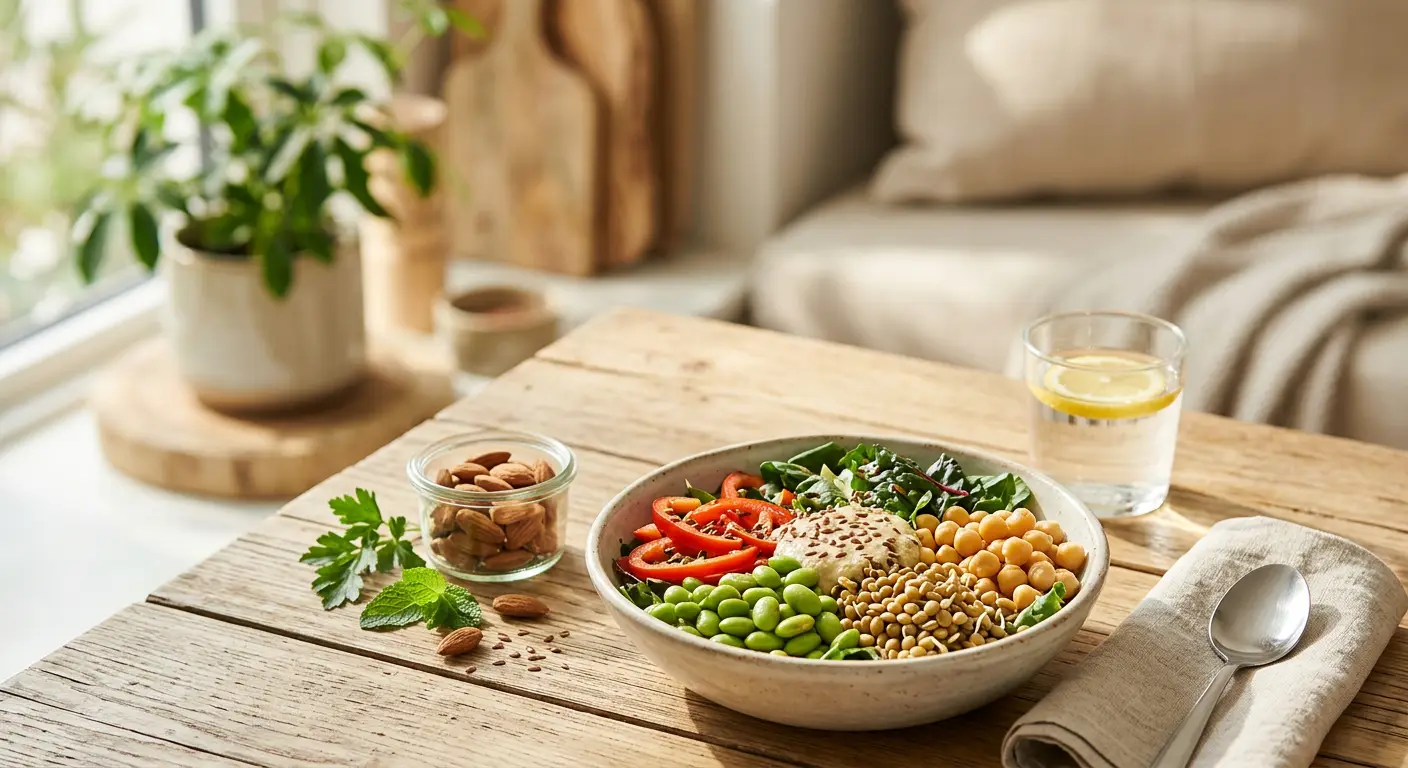
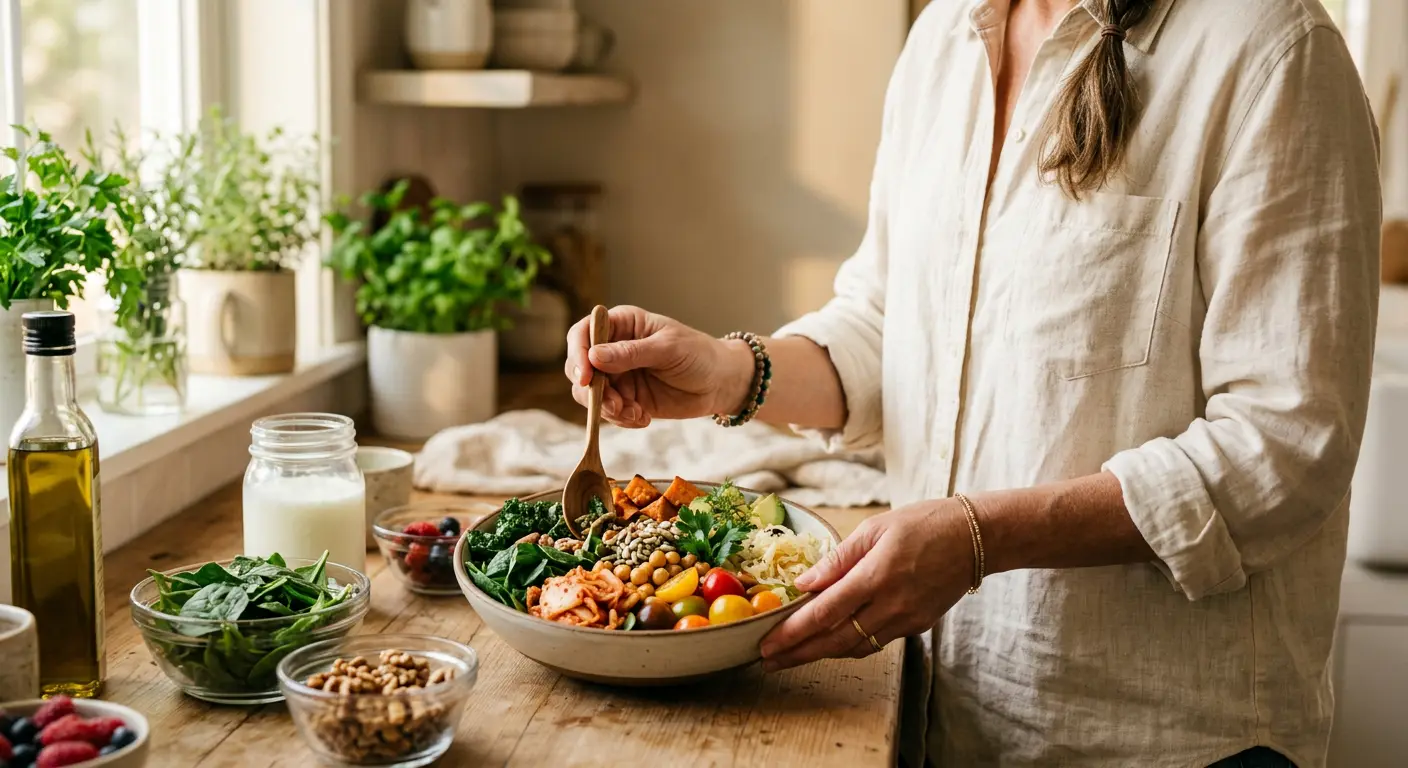
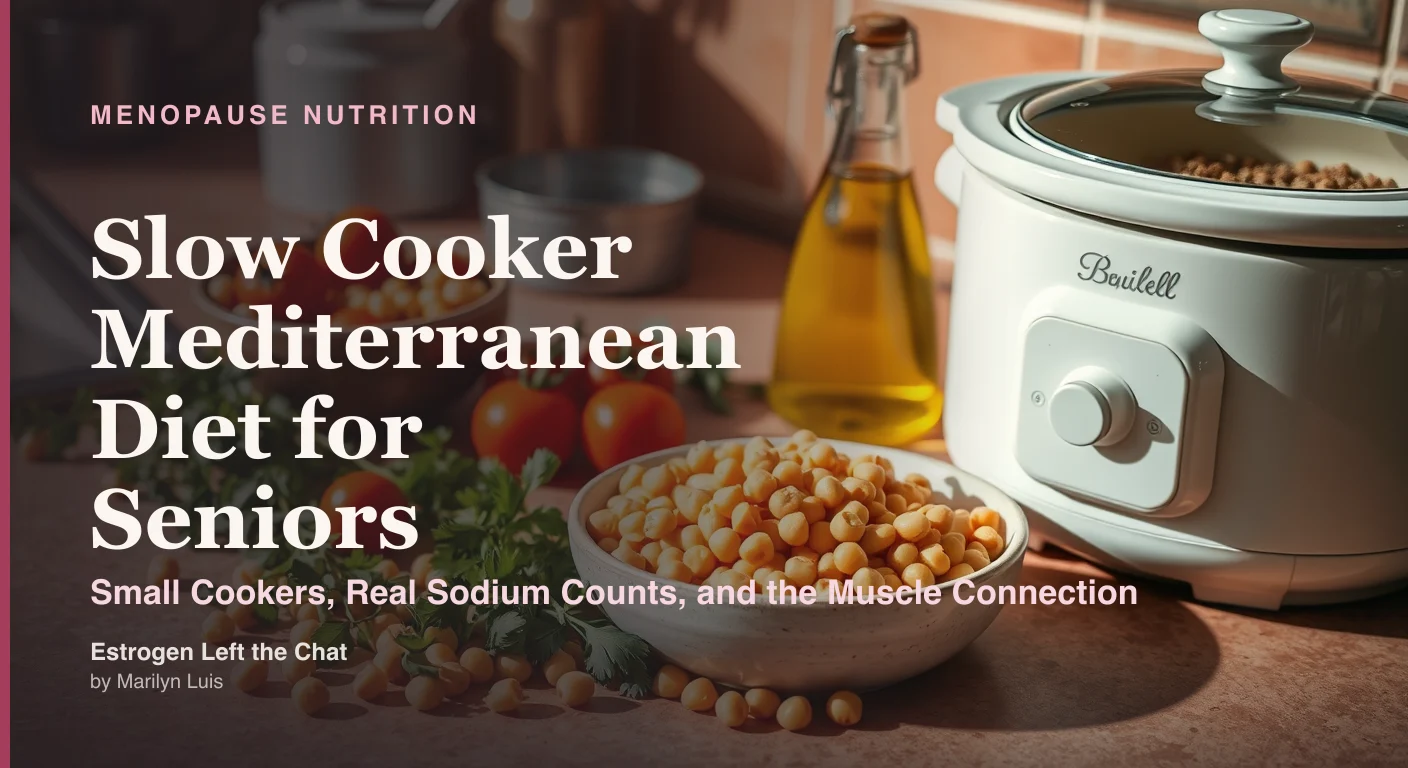
    Mediterranean slow cooker meal with chickpeas, tomatoes, and herbs in a small 2-quart bowl
    Menopause Nutrition8 min read

    Slow Cooker Mediterranean Diet for Seniors: Small Cookers, Real Sodium Counts, and the Muscle Connection

    A 1.5-quart slow cooker makes Mediterranean cooking genuinely practical for one or two people after 60. This article explains which cooker size fits two servings, why the Mediterranean diet is linked to roughly 40% lower sarcopenia risk in women over 50 according to a 2025 meta-analysis, how to keep sodium under 500 mg per serving, and includes two tested recipes from the book.

    Read More
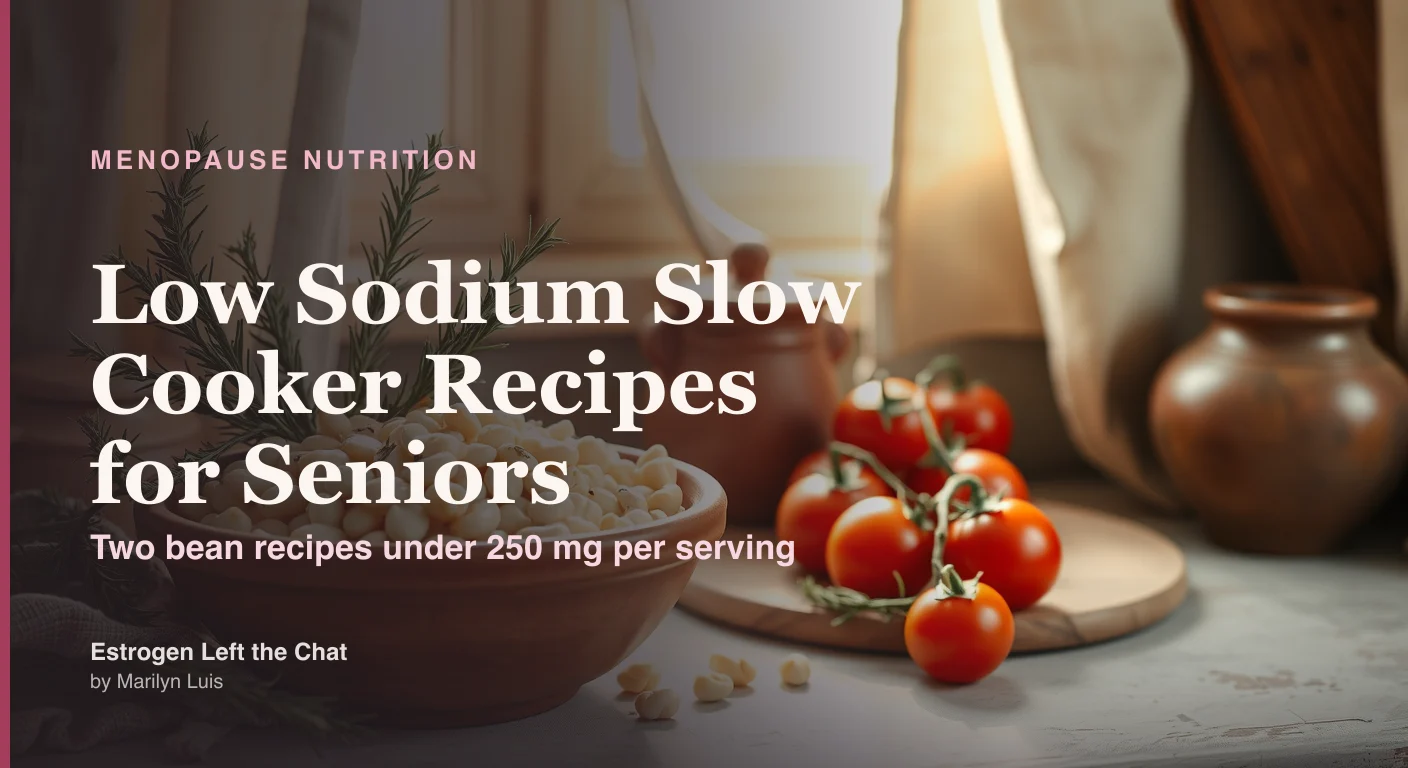
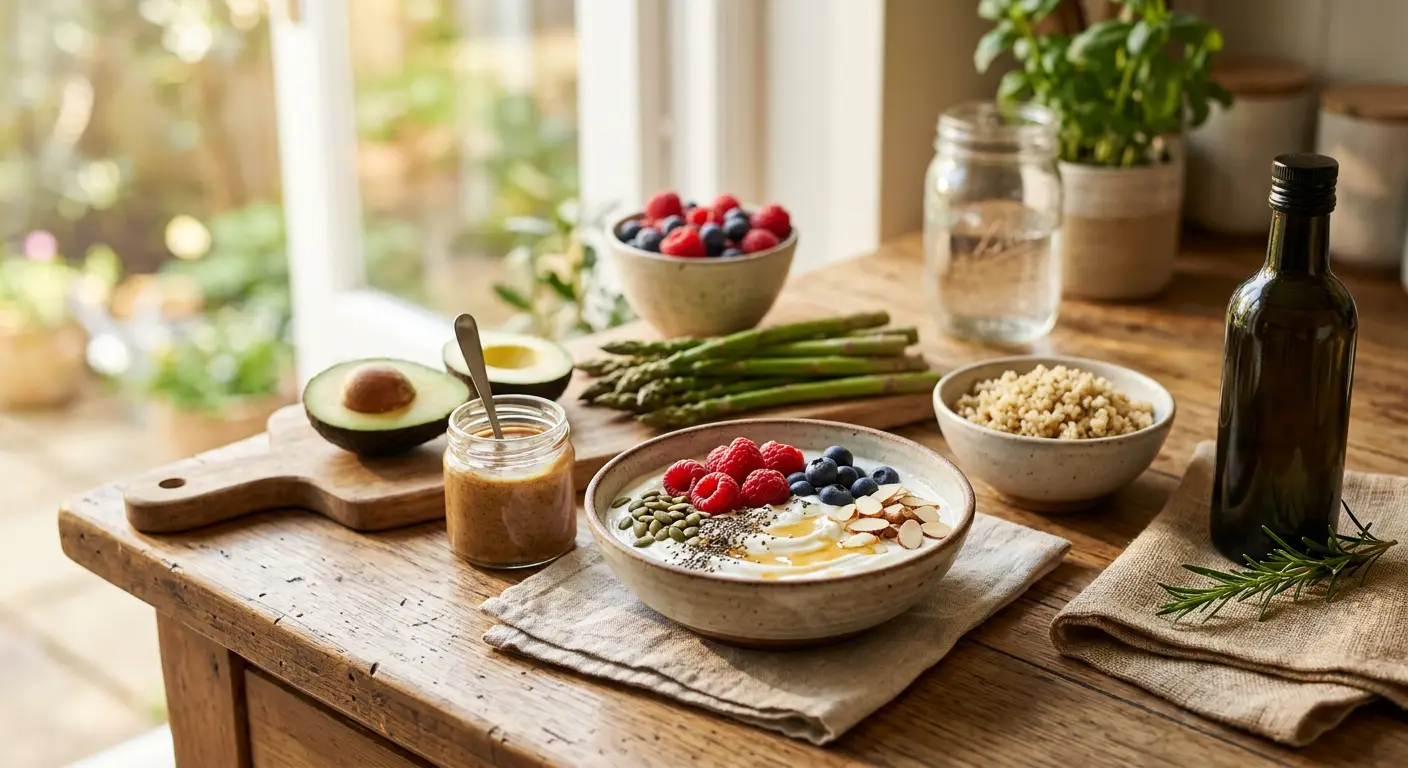
    White beans, rosemary, and tomatoes for a low-sodium Mediterranean slow cooker recipe
    Menopause Nutrition8 min read

    Low Sodium Slow Cooker Recipes for Seniors: Real Milligrams, Hidden Traps, and the Blood Pressure Connection

    Under 300 milligrams of sodium per serving is achievable in any slow cooker recipe when the broth, canned tomatoes, and cured meat are controlled at the source. Here is where the hidden sodium actually comes from, why blood pressure becomes more salt-sensitive after menopause, and two Mediterranean bean recipes from the book that stay under 250 mg per serving.

    Read More