Protein Intake for Women Over 40: Your Non-Negotiable Shield Against Menopause Muscle Loss
It's time we talk serious protein for women over 40. Forget the old rules; for too long, women have been woefully underserving their bodies when it comes to this critical macronutrient. And new research just hammered home why this oversight is so dangerous, especially for us charting the course through perimenopause and beyond. The stakes? Your muscle mass, your metabolism, and your independent future.
A recent 2026 study by Dong et al. in Open Medicine Study dropped a truth bomb: the longer you are past menopause, the higher your risk of sarcopenia. And guess what mediates that risk? Your physical activity and, crucially, your basal metabolic rate (BMR). Here's a shocker: the study found that years since menopause negatively correlated with grip strength and Short Physical Performance Battery (SPPB) scores (r=-0.315, -0.381; p<0.05). Each year post-menopause increased the odds of possible sarcopenia by 5% (OR=1.05; 95% CI: 1.03-1.08). What's the common thread for mitigating this? Muscle, my friends, and to build and preserve muscle, you need protein.
Why does menopause make protein even more critical for muscle?
Menopause isn't just about hot flashes and mood swings; it's a profound metabolic shift. The decline in estrogen drastically alters muscle protein synthesis, leading to an accelerated loss of muscle mass, a condition known as sarcopenia. This isn't just about looking "toned"; muscle is metabolic real estate. It's the primary site for glucose disposal, it dictates your BMR, and it's your reservoir of strength and resilience as you age. Losing it means a slower metabolism, increased fat storage (hello, menopause belly!), weaker bones, and a higher risk of chronic diseases.
The Dong et al. study focused on community-dwelling elderly women (≥65 years), but the mechanisms it highlights are at play much earlier – in perimenopause and early post-menopause. They demonstrated that longer duration since menopause decreases both physical activity and BMR, directly elevating sarcopenia risk. A low BMR was associated with a higher sarcopenia risk (OR=0.95), and medium activity (vs. high) increased risk markedly (OR=2.72).
This isn't surprising. Muscle tissue is metabolically active. Less muscle equals lower BMR. Lower BMR makes weight management profoundly more challenging. And the cycle continues without intervention.
How many grams of protein per kilogram should you aim for?
So, what does this mean for us? It means the standard protein recommendations from your younger years are no longer adequate. The consensus among leading sports nutritionists and geriatric care experts is that women over 40, especially those navigating menopause, need to aim significantly higher.
The magic number you should be aiming for is at least 1.0 to 1.6 grams of protein per kilogram of body weight per day. For a 150-pound woman (approx. 68 kg), that translates to 68 to 109 grams of protein daily. And for those who are highly active or want to aggressively combat sarcopenia, some research supports up to 2.2 g/kg/day.
Let's break down the why:
- Anabolic Resistance: As we age, our muscles become less responsive to anabolic stimuli (like protein and resistance exercise). We need a higher dose of protein per meal to trigger muscle protein synthesis (MPS) effectively. This is called 'anabolic resistance'. Instead of needing ~20g of protein to maximize MPS like a 20-year-old, a woman over 40 might need 25-40g per meal.
- Sustained MPS: Spreading protein intake across multiple meals (3-4 times a day) is more effective than front-loading it or eating it only once. This ensures a sustained anabolic signal throughout the day.
- Satiety and Metabolic Health: Higher protein intake is king for satiety, helping manage cravings and overall calorie intake. It also has a higher thermic effect of food (TEF), meaning your body burns more calories just to digest it. This is a critical advantage when your BMR is under attack by hormonal shifts. For more on optimizing your metabolism, check out Metabolic Reset for Women: Beyond Calories and Cardio.
How does protein help reduce visceral fat after menopause?
As if sarcopenia wasn't enough, consider another recent finding. A 2026 study by Hu et al. in Science Progress Study identified the Chinese Visceral Adiposity Index (CVAI), age, and clinical systolic blood pressure (SBP) as independent risk factors for left ventricular hypertrophy (LVH) in postmenopausal women with primary hypertension. The CVAI, specifically, was a strong predictor (OR = 1.025, 95% CI: 1.013-1.038). What's the CVAI measuring? Visceral fat – the dangerous fat wrapped around your organs.
While this study didn't directly look at protein, we know that adequate protein intake, particularly when combined with strength training, is one of the most effective strategies for reducing visceral fat. By promoting muscle gain and maintenance, protein helps shift body composition away from central adiposity, thereby lowering inflammation and improving insulin sensitivity. This, in turn, can mitigate risks like LVH and other cardiovascular issues prevalent in postmenopausal women. For a deeper dive into metabolic health post-menopause, explore Reset Metabolism After Menopause: Expert Strategies & Science.
How do you hit 70 to 100 grams of protein a day?
Hitting 70-100+ grams of protein daily might sound daunting, but it's entirely achievable with a strategic approach:
- Prioritize Protein at Every Meal: Aim for 25-40 grams of protein at breakfast, lunch, and dinner. Don't skip breakfast protein; it sets the tone for your day. Eggs, Greek yogurt, cottage cheese, protein powder in a smoothie are excellent options.
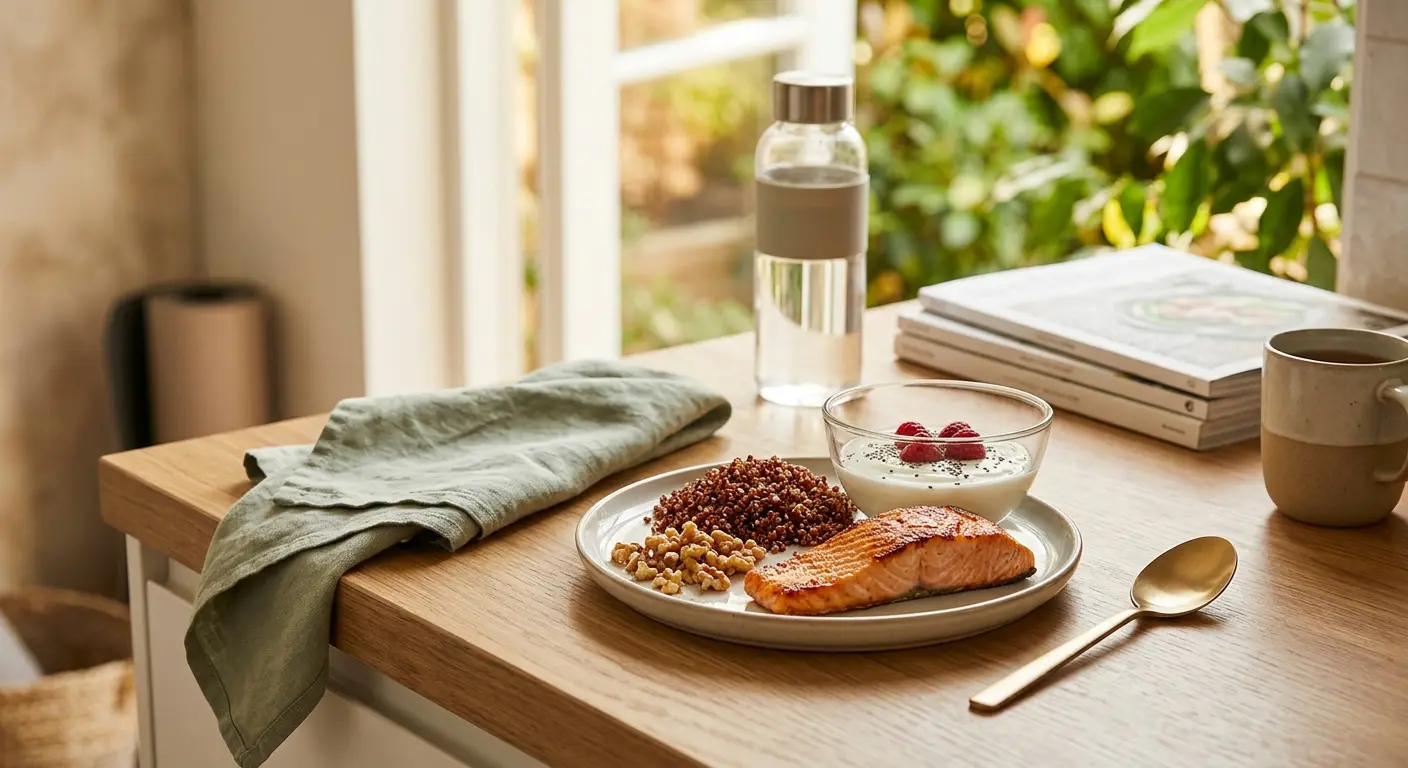
- Lean Meats & Fish: Chicken breast, turkey, lean beef, salmon, cod, and tuna are protein powerhouses. A 4oz (113g) serving of chicken breast can provide ~30g of protein.
- Dairy & Eggs: Greek yogurt (15-20g per serving), cottage cheese (25g per cup), and eggs (6g per egg) are versatile and bioavailable sources.
- Legumes & Plant-Based Sources: Lentils, chickpeas, black beans, tofu, edamame, and tempeh are great, but remember their protein content per serving is often lower than animal sources, so adjust quantities.
- Use Protein Powder Strategically: Whey protein, casein protein, or plant-based protein powders (pea, rice, hemp) are excellent for boosting intake, especially in smoothies, post-workout, or as meal replacements. See the Complete Reset Plan for ideas on incorporating these into your daily routine.
- Snack Smart: Instead of carb-heavy snacks, choose protein-rich options like a handful of almonds, an ounce of cheese, a hard-boiled egg, or a portion of jerky.
Can a damaged microbiome blunt the benefit of more protein?
It's never just one thing, is it? While increasing protein is crucial, we must also consider the broader picture of environmental exposures and gut health. A 2026 study by Yang et al. in Microbiology Spectrum Study revealed that heavy metal exposure significantly alters oral microbial diversity and function, with specific implications for metabolic and cardiovascular pathways, particularly in postmenopausal women. They found that in postmenopausal women from polluted areas, there was a "severe loss of keystone species and a collapsed microbial network structure."
While this study focused on the oral microbiome and heavy metals, it underscores the systemic impact of environmental factors on our health during menopause. A compromised microbiome, whether oral or gut, can impact nutrient absorption (including protein), inflammation, and metabolic regulation. Therefore, while dialing up protein, ensure you're also focusing on a whole-food, nutrient-dense diet to support a healthy microbiome and minimize toxic exposures.
My book "Estrogen Left the Chat" delves into how to build a robust metabolic foundation, helping you understand that this isn’t just about calories in, calories out, it’s about ensuring every macro and micro serves your body’s unique needs through this transition. It's one of the best menopause books for weight loss because it emphasizes sustainable, science-backed strategies.
Why should protein be a foundational pillar of every meal?
Ladies, if you're over 40, viewing protein as an optional nutrient is a grave mistake. It's not just about building muscle; it's about preserving your metabolic rate, combating sarcopenia, protecting your heart health, supporting bone density, and maintaining cognitive function longer. It's the cornerstone of your longevity strategy. The research clearly shows the cascade of negative effects as years post-menopause accumulate, with low physical activity and compromised BMR acting as significant mediators for sarcopenia.
So, don't just 'add a little' protein. Make it a foundational pillar of every meal. Track your intake for a few days to see where you stand. Most women are shocked at how low their actual intake is. Then, consciously increase it. Combine this with regular, challenging strength training – because protein alone won't maximize muscle synthesis without the stimulus. This isn't just a recommendation; it's a non-negotiable strategy for reclaiming your midlife energy and future vitality. Want to really reclaim that energy? Head over to Metabolic Reset for Women: Reclaim Your Midlife Energy.
Follow us on Pinterest for more actionable insights and strategies to thrive through menopause.
FAQ
How much protein do women over 40 really need?
Acutely, women over 40, especially those in perimenopause and post-menopause, should aim for a higher protein intake than general recommendations. The current expert consensus recommends 1.0 to 1.6 grams of protein per kilogram of body weight per day. For a woman weighing 150 pounds (approximately 68 kg), this translates to approximately 68 to 109 grams of protein daily. This increased intake is crucial to counteract anabolic resistance, support muscle protein synthesis, and mitigate age-related muscle loss (sarcopenia) that accelerates with declining estrogen levels.
Why is protein intake more important after menopause?
After menopause, the significant drop in estrogen levels leads to an accelerated loss of muscle mass, known as sarcopenia. Muscle tissue is metabolically active, so losing it reduces your basal metabolic rate (BMR), making weight management harder and increasing the risk of diseases. Higher protein intake helps to stimulate muscle protein synthesis more effectively, countering anabolic resistance and preserving the valuable muscle mass that dictates your metabolic health, strength, and overall vitality, as highlighted by studies like Dong et al. (2026).
Can protein help with weight management in midlife?
Absolutely. Protein is a powerful tool for weight management in midlife. It significantly increases satiety, meaning you feel fuller for longer, which can naturally lead to reduced overall calorie intake and fewer cravings. Additionally, protein has a higher thermic effect of food (TEF) compared to carbohydrates and fats, meaning your body burns more calories during its digestion. By preserving and building muscle mass, protein also supports a higher basal metabolic rate, which is critical for calorie burning even at rest. This combination makes adequate protein intake a cornerstone for managing weight after 40, especially when metabolism naturally slows.
What are the best sources of protein for women over 40?
The best protein sources include a mix of animal and plant-based options to ensure a full spectrum of amino acids. Excellent animal sources are lean meats (chicken, turkey, beef), fish (salmon, cod, tuna), eggs, and dairy products like Greek yogurt and cottage cheese. For plant-based options, consider lentils, chickpeas, black beans, tofu, tempeh, edamame, and high-quality plant-based protein powders. Including a variety ensures you're getting all essential amino acids and other critical micronutrients.
How should I distribute my protein intake throughout the day?
To optimize muscle protein synthesis and maintain an anabolic state, it's best to distribute your protein intake evenly throughout the day rather than consuming the majority in one meal. Aim for 25-40 grams of protein at each main meal (breakfast, lunch, and dinner). Incorporating protein-rich snacks between meals, such as a handful of nuts, a hard-boiled egg, or a protein shake, can help you reach your daily target and keep you feeling satiated. This strategy ensures a consistent supply of amino acids to your muscles, maximizing their maintenance and growth.