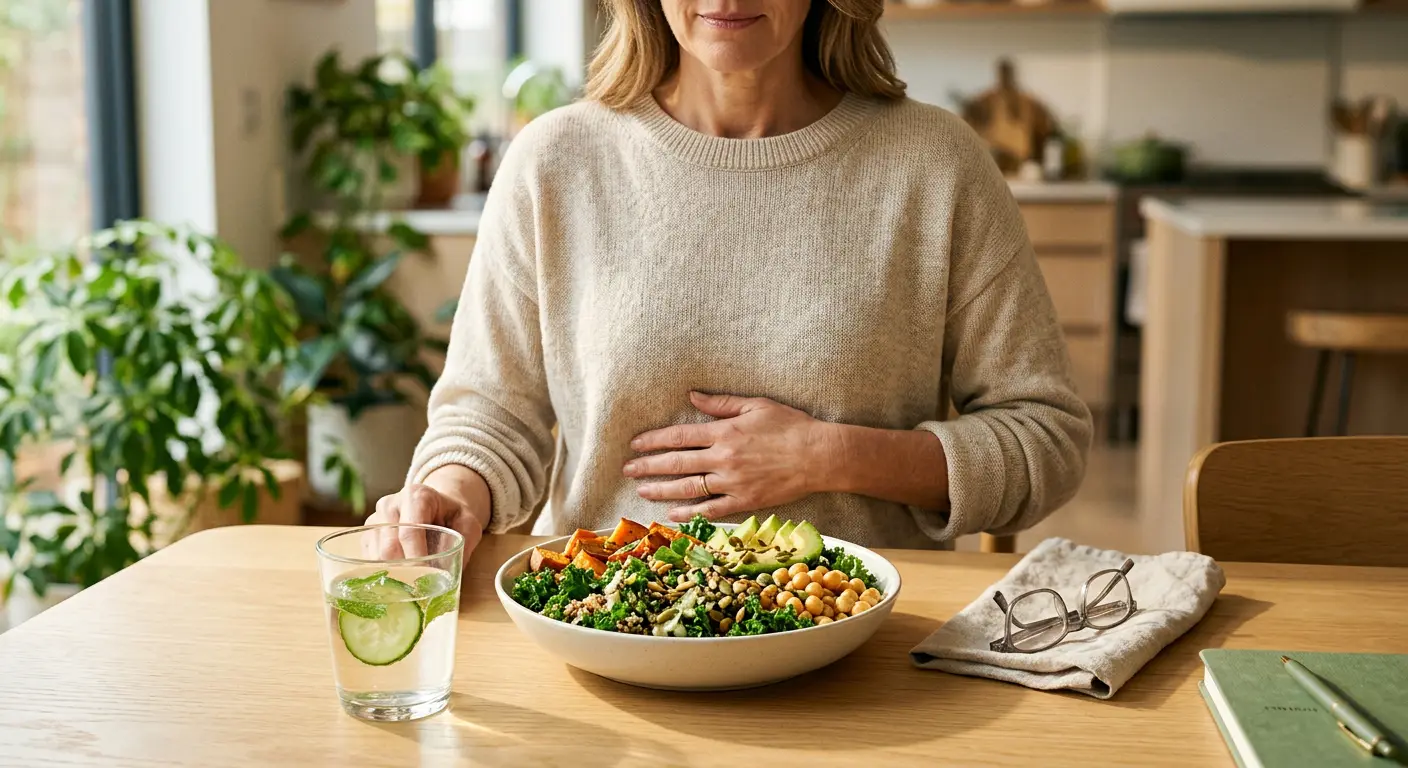
Are you suddenly reacting to foods you've eaten your whole life without issue? That morning coffee now sends you rushing to the bathroom, or that gluten-free bread still leaves you bloated and gassy. You're not alone, and it's not in your head. This phenomenon of developing new and heightened food sensitivities in perimenopause is a pervasive, yet often misunderstood, struggle for women navigating their midlife. The truth is, your body is changing, and the rules of digestion are getting rewritten by a powerful trio: declining estrogen, gut microbiome shifts, and increased systemic inflammation.
The Frustrating Reality of New Food Triggers
Many women come to me utterly bewildered. "Marilyn, I've eaten dairy my entire life, and now just a splash of milk sends my stomach into knots!" This isn't about suddenly lacking discipline or developing an imaginary aversion. Your body, once a tolerant machine, is now signaling distress, and it's essential to understand the intricate biochemical dance behind these new reactions. This article will unravel the mechanisms, provide the evidence, and give you concrete steps to reclaim your digestive peace.
Why does falling estrogen make your gut react to food?
Estrogen's Unexpected Role in Gut Integrity
As estrogen levels begin their unpredictable decline during perimenopause, its protective effects on various bodily systems, including the digestive tract, diminish. Estrogen isn't just about reproduction; it directly influences gut barrier function, immune regulation, and even pain perception.
Specifically, estrogen, particularly estradiol (E2), plays a critical role in maintaining the integrity of the intestinal lining. Estrogen receptors are present on intestinal epithelial cells, and when estrogen binds to them it appears to help strengthen the tight junctions between cells, acting as a 'seal' that keeps undigested food particles, toxins, and microbes out of the bloodstream. In an animal colitis model, 17-beta-estradiol restored expression of the tight junction proteins ZO-1, occludin and claudin-4 through estrogen receptor beta signaling (Song et al., 2018). Direct human evidence that falling estrogen loosens tight junctions in perimenopausal women is still thin, so treat this as a mechanism with animal support rather than a settled clinical fact. This physiological phenomenon is often referred to as intestinal permeability, or colloquially, "leaky gut." Declining estrogen means those tight junctions loosen, making you more vulnerable to issues like Leaky Gut & Chronic Inflammation in Midlife Women: Your Guide which can drastically increase your susceptibility to food sensitivities.
The Microbiome Shift: A New Internal Landscape
Your gut is home to trillions of microorganisms, collectively known as the gut microbiome. This diverse community is deeply intertwined with your hormones. In a large population study, menopause was associated with a measurably altered gut microbiome and estrobolome, with the postmenopausal profile shifting toward the male pattern and specific taxa depleted (Peters et al., 2022). A companion review sets out how much of the microbiome literature in menopause is still associative (Peters et al., 2022). Estrogen influences the types and abundance of bacteria in the gut, with lower estrogen levels often leading to a less resilient and more vulnerable microbiome.
When this balance is disrupted (dysbiosis), harmful bacteria can proliferate, producing endotoxins (like LPS – lipopolysaccharides) that further damage the intestinal lining and trigger systemic inflammation. An inflamed gut is highly reactive, making it more likely to mount an immune response to previously harmless food components.
Immune System on High Alert: The Chronic Inflammation Connection
With a compromised gut barrier and an altered microbiome, the immune system becomes hyperactive. Tiny food particles, normally harmlessly digested, are now recognized as foreign invaders. This leads to an immune cascade, releasing inflammatory cytokines (e.g., TNF-alpha, IL-6) that contribute to symptoms like bloating, gas, pain, nausea, skin issues, fatigue, and even brain fog. This isn't a food allergy (IgE-mediated, immediate, potentially life-threatening), but rather a sensitivity or intolerance (often IgG or IgA-mediated, delayed reaction, and uncomfortable rather than life-threatening).
Dr. Alessio Fasano, a leading researcher on intestinal permeability, has consistently shown how a compromise in gut barrier function can trigger immune responses, creating a vicious cycle of inflammation that impacts not just digestion but overall metabolic health. His review Leaky gut and autoimmune diseases in Clinical Reviews in Allergy & Immunology sets out how increased intestinal permeability appears to be a prerequisite for the development of chronic inflammatory and autoimmune conditions (Fasano, 2012). That work is in autoimmune disease, not in food sensitivity in midlife women.
Can perimenopause cause histamine intolerance?
The Histamine Conundrum in Perimenopause
One particularly common, and often overlooked, food sensitivity that escalates in perimenopause is histamine intolerance. Histamine is a chemical involved in immune responses, digestion, and neurotransmission. Normally, excess histamine is broken down by enzymes like diamine oxidase (DAO) in the gut and histamine N-methyltransferase (HNMT) in other tissues.
Here's the critical link: Estrogen levels directly influence DAO activity. When estrogen is high (think fertile years), DAO activity is typically robust. However, as estrogen fluctuates wildly and then drops in perimenopause, DAO activity can decline. This means your body is less efficient at breaking down histamine from foods, leading to an accumulation that triggers symptoms identical to an allergic reaction: hives, itching, flushing, headaches, gastrointestinal upset (diarrhea, bloating), anxiety, and even heart palpitations.
Foods naturally high in histamine include aged cheeses, fermented foods, cured meats, spinach, tomatoes, avocado, and alcohol. If you notice symptoms worsening after consuming these, histamine intolerance is a strong possibility. Research by Maintz and Novak in the American Journal of Clinical Nutrition details the mechanisms behind histamine intolerance and its wide range of symptoms (Maintz and Novak, 2007); for a current overview of diagnosis and evidence, see Comas-Baste et al., 2020. The clearest human evidence that sex hormones move DAO comes from pregnancy: in women with DAO deficiency, DAO activity rose roughly elevenfold and symptoms improved during pregnancy, then fell again with symptoms returning by two months postpartum (Duelo et al., 2025).
Mast Cell Activation Syndrome (MCAS) and Hormonal Links
Further complicating matters, some women develop Mast Cell Activation Syndrome (MCAS) or exacerbated mast cell activity in perimenopause. Mast cells are immune cells that release histamine and other inflammatory mediators. Estrogen receptors are found on mast cells, and fluctuating estrogen can both stabilize and destabilize them. For some, hormonal shifts can lead to an overactive mast cell response, contributing to histamine intolerance and widespread inflammatory symptoms.
Why am I suddenly reacting to foods I always ate?
The short answer: Your perimenopausal body is undergoing a profound physiological transformation that directly impacts your gut health and immune system. The decline and erratic fluctuations of estrogen compromise your gut lining, alter your microbiome, and reduce your ability to clear inflammatory compounds like histamine. This creates a state of heightened immune reactivity, where previously benign food components are now perceived as threats, leading to a cascade of uncomfortable and frustrating symptoms. It’s not a lack of willpower; it’s a biological shift that requires a smarter, targeted approach to nutrition and gut support.
How do I fix food sensitivities in perimenopause?
1. The Elimination & Reintroduction Diet: Your Diagnostic Tool
This is not a long-term dietary prescription but a powerful diagnostic tool. A structured elimination diet, typically for 3-4 weeks, can help identify your specific triggers. The process involves:
- Eliminate Common Culprits: Dairy, gluten, soy, corn, eggs, nightshades (tomatoes, peppers, eggplant, potatoes), and often high-histamine foods.
- Focus on Whole, Unprocessed Foods: Build your diet around lean proteins (pasture-raised chicken, wild fish), non-starchy vegetables (broccoli, cauliflower, leafy greens), some fruits (berries, apples), and healthy fats (olive oil, avocados).
- Reintroduce Systematically: After the elimination phase, reintroduce one food group at a time over 2-3 days, noting any symptoms (bloating, fatigue, headache, skin changes). If you react, remove it again. If not, proceed to the next food.
This methodical approach, often detailed in comprehensive guides like the one in my book, "Estrogen Left the Chat," provides a roadmap to understanding your unique tolerances. Read the Book on Kindle for a deeper dive into personalized protocols.
2. Prioritize Gut Healing & Barrier Support
- L-Glutamine: An amino acid crucial for rebuilding the intestinal lining. Dosage: 5-10g per day, divided doses, away from meals for best absorption. A 2017 review by Kim and Kim in the International Journal of Molecular Sciences sets out L-glutamine's role in intestinal barrier function (Kim and Kim, 2017). Most of that evidence is preclinical or from clinical populations such as critical illness and inflammatory bowel disease, not from healthy midlife women.
- Collagen/Gelatin: Provides amino acids like proline, glycine, and hydroxyproline, which are building blocks for connective tissue, including the gut lining. Aim for 10-20g daily from grass-fed sources.
- Zinc Carnosine: A powerful complex that supports mucosal integrity and reduces inflammation. Dosage: 75mg twice daily.
- Butyrate: A short-chain fatty acid produced by beneficial gut bacteria, critical for colonocyte health and tight junction integrity. If your fiber intake is low, a butyrate supplement (e.g., 300-600mg daily) can be beneficial.
3. Modulate Your Microbiome
- High-Quality Probiotics: Specific strains can help. For histamine intolerance, choose strains that do not produce histamine (e.g., Lactobacillus rhamnosus, Bifidobacterium infantis). Avoid Lactobacillus casei, Lactobacillus bulgaricus, Streptococcus thermophilus if histamine is an issue. A blend with diverse species is often best. Look for products with 20-50 billion CFUs and shelf-stable options. Strain specificity matters, and reviews of the menopausal gut microbiome are explicit that probiotic and prebiotic effects are strain- and context-dependent rather than generic (Peters et al., 2022).
- Prebiotic Fibers: Feed your beneficial bacteria. Include foods like cooked and cooled potatoes, green bananas, jicama, asparagus, garlic, and onions (if tolerable). Start slowly to avoid gas and bloating.
- Fermented Foods (with caution): While beneficial for many, if you suspect histamine intolerance, high-histamine fermented foods (sauerkraut, kombucha, kimchi, kefir) might exacerbate symptoms. Start with small amounts or focus on low-histamine options initially.
4. Manage Inflammation & Stress
Chronic stress elevates cortisol, which further compromises gut barrier function (as explored in Why Cortisol & Stress Fuel Menopause Belly Fat – The Science). Implement daily stress-reduction practices:
- Mindfulness/Meditation: Even 10 minutes a day can make a difference.
- Gentle Movement: Yoga, walking, tai chi.
- Adequate Sleep: Aim for 7-9 hours of quality sleep to support gut repair and reduce inflammation.
- Targeted Anti-inflammatories: Consider curcumin, omega-3 fatty acids, or quercetin under guidance of a practitioner.
5. Support DAO Enzyme Activity (for Histamine Intolerance)
- DAO Supplements: These can be taken before high-histamine meals to aid in histamine breakdown. Dosage varies by product, typically 1-2 capsules 15-30 minutes before a meal.
- Vitamin C and B6: These are cofactors for DAO activity. Ensure adequate intake through diet or supplementation (e.g., 1000mg Vitamin C; 50mg P-5-P form of B6).
A Final Word of Expert Opinion
Developing food sensitivities in perimenopause is not a sign of weakness or a quirky individual problem; it is a clear biological signal that your body's internal environment has shifted. To ignore these signals is to invite further inflammation and metabolic dysregulation, impacting everything from weight management (see Metabolic Reset: Reclaiming Health in Postmenopausal Women) to energy levels and mood. This same immune reactivity often surfaces in the oral lining as well -- recurrent canker sores in perimenopause share the same estrogen-gut-immune root as the digestive symptoms that tend to get more attention. My clinical experience consistently shows that addressing gut health is not just a 'nice to have' but a foundational pillar for navigating the perimenopausal transition with vitality. You deserve to eat with joy and without discomfort. The science is clear, and the path to relief is actionable. It requires patience, keen observation, and a precise, evidence-based strategy.
New food reactions usually arrive with company. The free 60-second quiz shows which pattern yours belong to.
FAQ
What are common food sensitivities that appear during perimenopause?
Common food sensitivities that often emerge or worsen during perimenopause include dairy (lactose and casein), gluten, soy, eggs, and foods high in histamine (e.g., aged cheeses, fermented foods, cured meats, alcohol, spinach, tomatoes). These sensitivities can trigger symptoms like bloating, gas, abdominal pain, diarrhea, headaches, skin issues (hives, eczema), fatigue, and even anxiety or heart palpitations.
Why do women suddenly develop food sensitivities in perimenopause?
The primary reason for new food sensitivities in perimenopause is the fluctuating and declining estrogen levels. Estrogen plays a protective role in maintaining gut barrier integrity. As estrogen drops, the gut lining can become more permeable ("leaky gut"), allowing undigested food particles to enter the bloodstream and trigger an immune response. Concurrently, the gut microbiome shifts, often becoming less diverse and more inflammatory, and the enzyme (DAO) responsible for breaking down histamine can become less active, leading to histamine intolerance.
How can I test for food sensitivities during perimenopause?
The most reliable method to identify food sensitivities is an elimination and reintroduction diet, where common trigger foods are removed for 3-4 weeks and then systematically reintroduced to observe reactions. While IgG food sensitivity tests are available, their clinical utility is debated; they can indicate exposure but not always a true symptomatic sensitivity. Working with a practitioner experienced in gut health can help guide a personalized approach.
Can supporting gut health really help with perimenopausal food sensitivities?
Absolutely. Addressing gut health is foundational. By strengthening the intestinal barrier with nutrients like L-glutamine and zinc carnosine, diversifying the gut microbiome with prebiotics and carefully selected probiotics, and reducing inflammation, you can significantly reduce the body's immune reactivity to foods. Managing stress and supporting DAO enzyme activity (if histamine is an issue) are also crucial steps in restoring digestive resilience and reducing food sensitivity symptoms during perimenopause.