The Estrobolome: Your Microbes' Role in Estrogen Recycling
One of the most fascinating discoveries linking the gut to menopause is the concept of the estrobolome: a collection of gut bacteria capable of metabolizing and modulating estrogen. These specific bacteria produce an enzyme called beta-glucuronidase, which can deconjugate estrogen metabolites that the liver has tagged for excretion. What does this mean in plain English? It means these gut bacteria can reactivate estrogen, sending it back into circulation. A healthy, diverse estrobolome contributes to stable estrogen levels. A dysbiotic one, however, can lead to either too much deconjugation (potentially contributing to estrogen dominance in perimenopause, or fluctuating levels causing symptoms) or too little, impacting overall estrogen availability at a time when the body is already producing less.
Why Your Gut Matters More in Midlife
As estrogen declines during perimenopause and menopause, several physiological shifts occur that affect the gut directly. Estrogen plays a role in maintaining the integrity of the gut lining, modulating gut motility, and influencing the diversity of the microbiome. A drop in estrogen can lead to:
- Increased gut permeability ("leaky gut"): making you more susceptible to inflammation.
- Changes in microbial diversity: often a reduction in beneficial bacteria.
- Altered gastrointestinal transit time: leading to constipation or diarrhea.
These changes aren't just uncomfortable; they can exacerbate traditional menopause symptoms like hot flashes, mood swings, weight gain, and even bone density loss. Nausea is one downstream consequence that often goes unrecognized - perimenopause morning nausea reflects this same gut instability, with the morning cortisol surge landing on a digestive system that no longer has estrogen's regulatory steadiness. A 2026 case report by Reid, Barrow, and Cutler published in The Journal of the American Nutrition Association highlighted a personalized nutrition approach for a 47-year-old woman with common menopausal complaints, noting that current macronutrient intake was contributing to blood sugar imbalance and impacting the hypothalamic-pituitary-adrenal (HPA) axis – a key system also intertwined with gut health and stress response Study. This clearly illustrates how diet, and by extension gut health, directly influences metabolic and hormonal equilibrium during this critical period.
Expert Analysis: Beyond Estrogen – It’s a Gut Feeling
My take? Focusing solely on hormone replacement therapy (HRT) or other hormonal solutions without addressing the menopause gut microbiome is like patching a leaky roof while the foundation crumbles. You're missing a massive piece of the puzzle. The interconnectedness of our systems is undeniable. Your gut doesn't just digest food; it educates your immune system, produces neurotransmitters, detoxifies hormones, and synthesizes essential vitamins. When this complex ecosystem is out of balance, the cascading effects can amplify menopausal discomfort.
Consider the new non-hormonal treatment elinzanetant for vasomotor symptoms (VMS), discussed in a 2026 review by Rowe, Coffman, and Barnes in The Annals of Pharmacotherapy Study. While promising for symptom relief by targeting neurokinin-1 and neurokinin-3 receptors, it doesn't address the underlying systemic imbalances that contribute to VMS in the first place, many of which can be linked to gut dysfunction and inflammation. For many women, targeting these underlying issues can offer more profound and sustainable relief than just dampening symptoms.
The Missing Link: Personalized Nutrition for Gut Health in Menopause
The case report by Reid et al. underscores a profound truth: one-size-fits-all dietary advice often fails women in menopause. The patient (Patient A) initially on HRT, still struggled with fatigue, unstable mood, and bloating. Her practitioner found blood sugar imbalance and impacted HPA axis function, likely made worse by estrogen changes. By adjusting macronutrients, reducing caffeine, and embracing stress management, Patient A saw improved energy and sleep. This highlights the power of a personalized nutrition approach that considers the unique interplay of gut health, hormones, and lifestyle factors. It's not just about what you eat, but how your body processes it and how that impacts your delicate internal ecosystem. For specific guidance on building a foundational eating plan, check out Menopause Nutrition Basics: What to Eat and Why.
Practical Takeaways: Cultivating a Menopause-Friendly Gut
So, what can you actually do to support your menopause gut microbiome? Here are my top actionable recommendations:
-
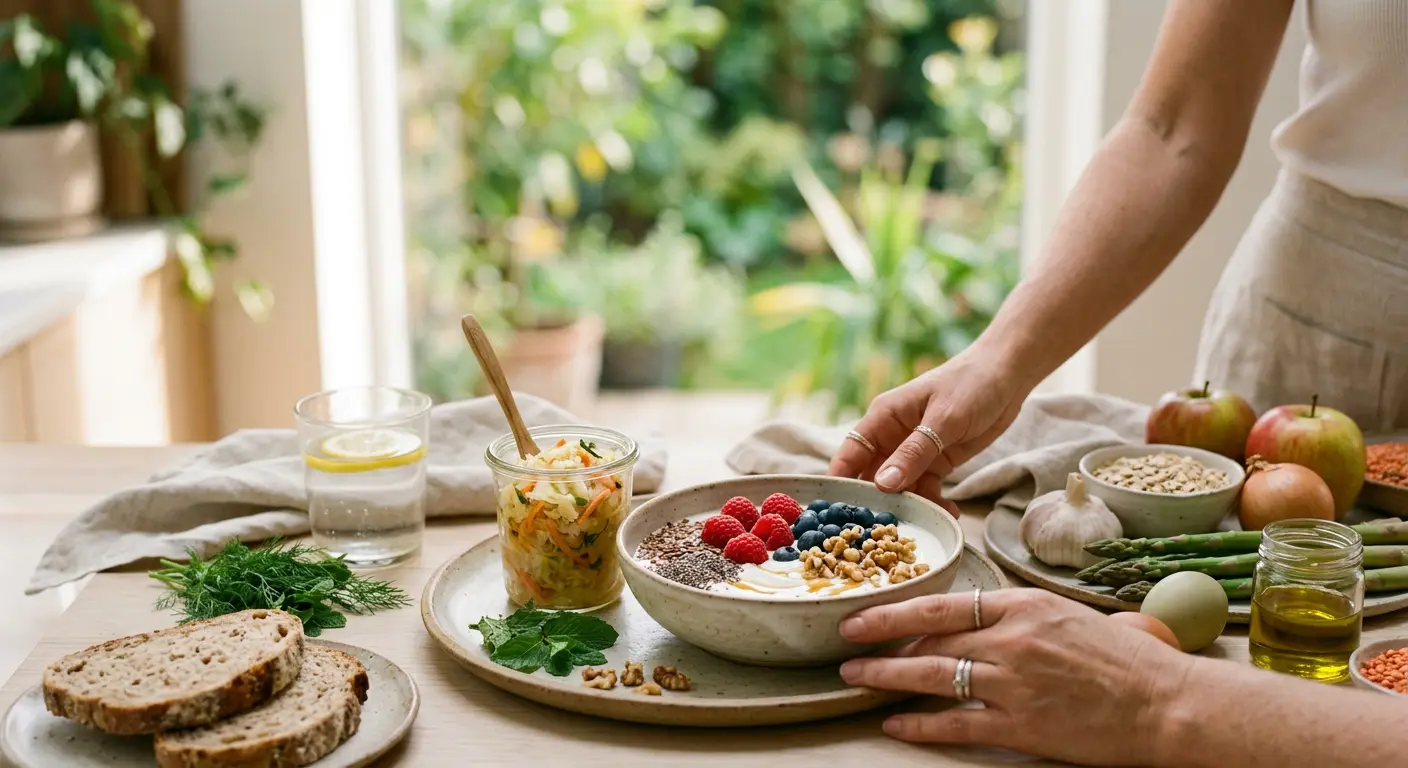
Prioritize Fiber Diversity: This is non-negotiable. Your gut microbes thrive on diverse fibers. Aim for 25-35 grams of fiber daily from a wide variety of plant foods: fruits, vegetables, legumes, whole grains, nuts, and seeds. Think beyond just oats; include jicama, sauerkraut, asparagus, berries, and flax seeds. These prebiotics feed your beneficial bacteria, fostering a robust and diverse microbiome. For practical food choices, explore Beat Menopause Belly Fat: Foods That Actually Help.
-
Embrace Fermented Foods Strategically: Incorporate small portions of high-quality fermented foods like sauerkraut, kimchi, kefir, sugar-free kombucha, and unsweetened yogurt. These introduce beneficial bacteria directly into your gut, but start slowly to avoid digestive upset. Remember, variety is key – rotate your fermented foods.
-
Manage Blood Sugar: As shown in the Reid et al. case, blood sugar dysregulation severely impacts energy and hormonal balance. Focus on complex carbohydrates, ample protein, and healthy fats at each meal to stabilize glucose levels. Avoid refined sugars and processed foods that wreak havoc on your gut balance and contribute to inflammation. This also has direct implications for your waistline; dive deeper into Cortisol, Stress, and Menopause Weight: Breaking the Cycle.
-
Consider Targeted Probiotics (with Caution): While a healthy diet is paramount, specific probiotic strains can offer targeted support. Look for strains like Lactobacillus reuteri for vaginal and urinary health, or Bifidobacterium lactis for digestive regularity. Always consult with a healthcare professional, as not all probiotics are created equal, and some may not be necessary. For a holistic approach to managing midlife health, "Estrogen Left the Chat" is one of the best menopause books for weight loss and overall vitality, providing a science-backed roadmap to reclaim your health. Buy the Book to learn how to integrate these strategies.
-
Stress Reduction is Gut-Protection: The gut-brain axis is a two-way street. Chronic stress impacts gut motility, permeability, and microbial composition. Incorporate daily stress management techniques such as meditation, deep breathing, yoga, or spending time in nature. The Reid et al. study found that yoga and meditation helped rebalance the HPA axis for Patient A, an indirect but powerful gut support strategy.
-
Hydration: Water is vital for digestion, nutrient absorption, and maintaining mucosal integrity in the gut. Aim for at least eight 8-ounce glasses of water daily.
Addressing Nuance and What We Still Don't Know
While the evidence for the menopause gut microbiome is compelling, it's essential to acknowledge nuance. Many studies, like the Reid et al. report, are case studies, providing observational evidence rather than large-scale, double-blind controlled trials. While valuable for hypothesis generation and illustrating personalized approaches, they don't provide definitive causal links for the general population.
Furthermore, the 2026 scoping review by Wilson et al. in The American Journal of Lifestyle Medicine on PCOS in perimenopause and menopause, while not directly on the gut microbiome, highlights the current limitations. It noted that while diet and physical activity were commonly investigated, more than 15 supplement categories were identified, yet none specifically targeted chronic pain or mental health outcomes related to PCOS in this life stage Study. This points to the complexity and the need for more targeted research, especially regarding how lifestyle and gut interventions specifically impact symptoms beyond general wellness. While we know the gut influences various systems, pinpointing exact microbial signatures for specific menopause symptoms remains an active area of research.
We also need more robust research on the long-term effects of specific dietary interventions and probiotics on the estrobolome and climacteric symptoms. The interaction is incredibly complex, with individual variations in genetics, lifestyle, and existing health conditions playing significant roles.
Strong Opinion: Your Gut is Your Command Center for Menopause Success
My unequivocal opinion is this: ignoring your gut health during menopause is a missed opportunity for profound symptom relief and long-term well-being. The science is clear: your gut microbiome is not a passive passenger; it's an active participant in your hormonal symphony, metabolic regulation, and inflammatory responses. While hormone therapy (including vaginal estrogen, which a 2026 review in Maturitas by Baquedano Mainar et al. confirms has minimal systemic absorption with no demonstrated increase in breast cancer incidence or recurrence for many cancer survivors, making it a viable option for localized symptoms) [Study](https://doi.org/10.1016/j.maturitas.2026.108914], can offer relief, optimizing your menopause gut microbiome provides a foundational strategy that complements other treatments and addresses the root causes of many common complaints. For a comprehensive approach to menopause, your gut, nutrition, and lifestyle must be at the forefront.
It’s time to move beyond fragmented, symptom-based treatments and embrace a holistic, personalized approach. Start with your plate, address your stress, and give your gut the attention it deserves. Your body in midlife is dynamically shifting, and by supporting your internal ecosystem, you empower yourself to navigate this transition with far greater ease and vitality. Don't wait for a pharmaceutical fix for an issue that often begins in the gut; take proactive control today. Follow us on Pinterest for more daily tips and research insights into hormone health and longevity.
FAQ
What is the estrobolome and why is it important in menopause?
The estrobolome is a collection of gut bacteria that produce an enzyme called beta-glucuronidase. This enzyme reactivates estrogen metabolites, allowing them to re-enter circulation. In menopause, a healthy estrobolome helps maintain more stable estrogen levels, which can influence symptoms and overall hormonal balance.
Can gut health affect hot flashes and night sweats?
Yes, absolutely. An imbalanced menopause gut microbiome can contribute to systemic inflammation and disrupt the gut-brain axis, potentially exacerbating vasomotor symptoms like hot flashes and night sweats. By improving gut health, you can reduce inflammation and support better hormonal regulation.
What specific foods are best for improving my gut microbiome in menopause?
Focus on a diverse range of plant-based fiber from fruits, vegetables, legumes, and whole grains. Incorporate fermented foods like sauerkraut, kimchi, and kefir. Also, prioritize lean proteins and healthy fats while reducing processed foods and refined sugars to help balance blood sugar and support a healthy gut environment.
How quickly can I expect to see improvements in my menopause symptoms by focusing on gut health?
Changes to the gut microbiome can occur relatively quickly, often within a few weeks of consistent dietary and lifestyle changes. However, sustained improvement in menopause symptoms may take several weeks to months, as the body adapts and inflammation reduces. Consistency is key for lasting benefits.
Is taking a probiotic supplement enough to improve my gut health during menopause?
While targeted probiotic supplements can be beneficial, they are generally not sufficient on their own. A comprehensive approach combining a diverse, fiber-rich diet, fermented foods, stress management, adequate hydration, and good sleep is far more effective. Probiotics should complement, not replace, these fundamental lifestyle practices.